Peace for Life Ghana Promotes Climate-Smart Agriculture Through Biochar Training for Farmers in Sinlinga
Sinlinga, West Mamprusi Municipal, North East Region, Ghana – 2 November 2026
Peace for Life Ghana (PLG) continues to promote climate-smart agriculture by equipping farmers with practical, affordable, and environmentally friendly techniques to improve soil health and strengthen agricultural resilience.
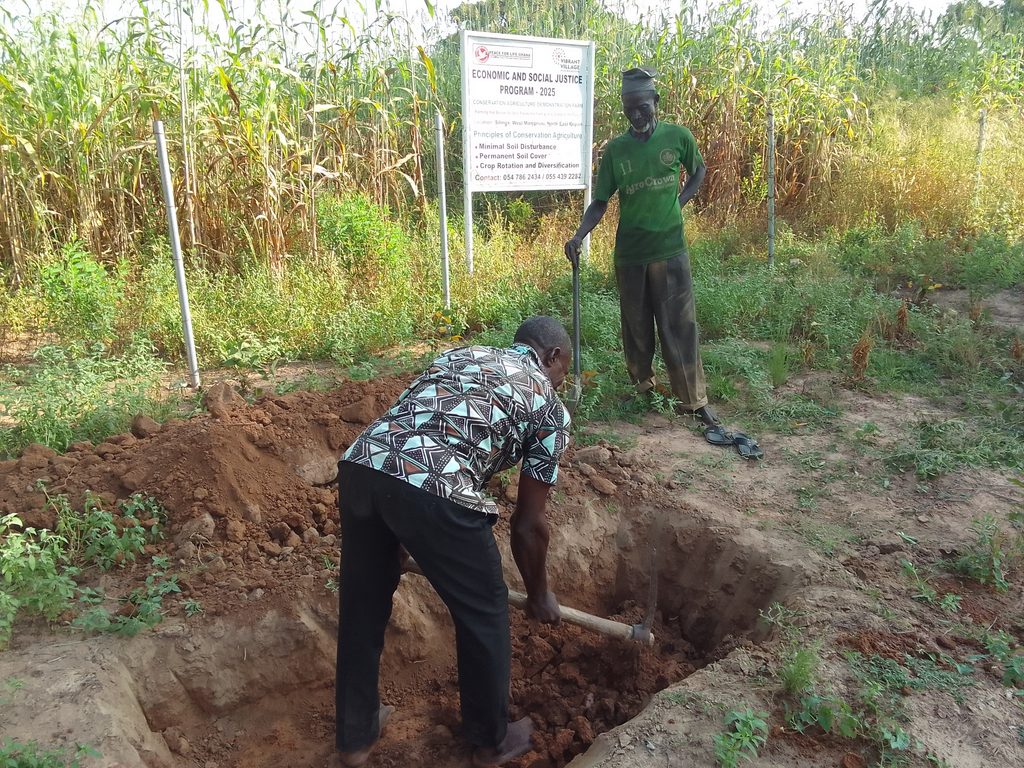
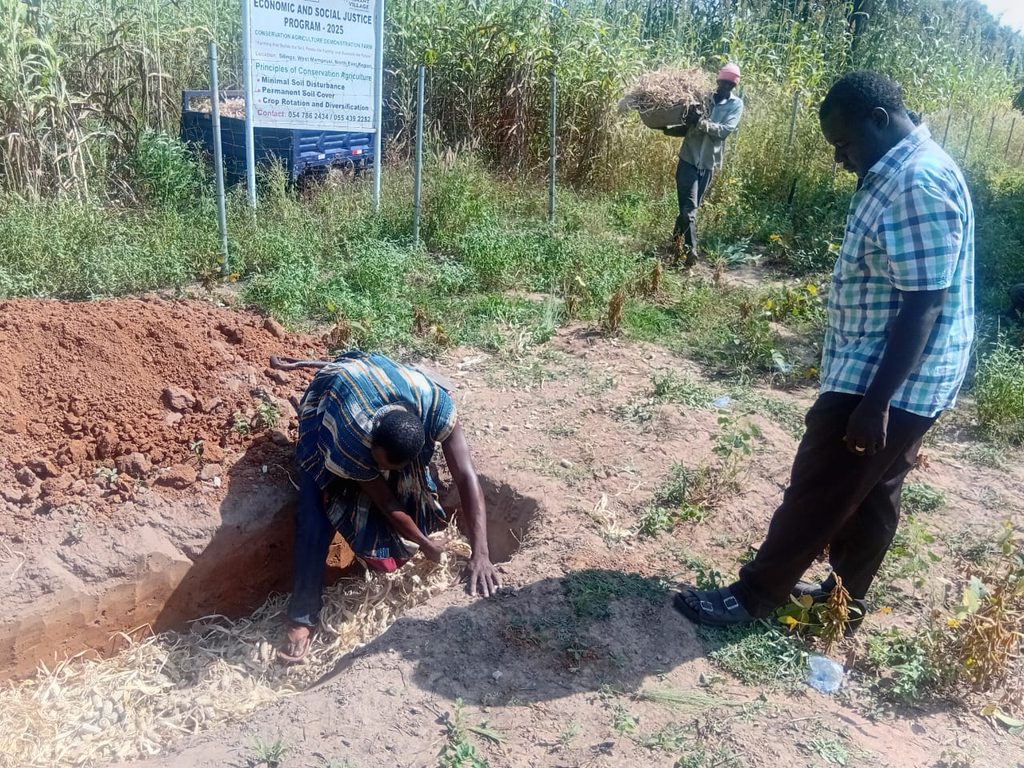
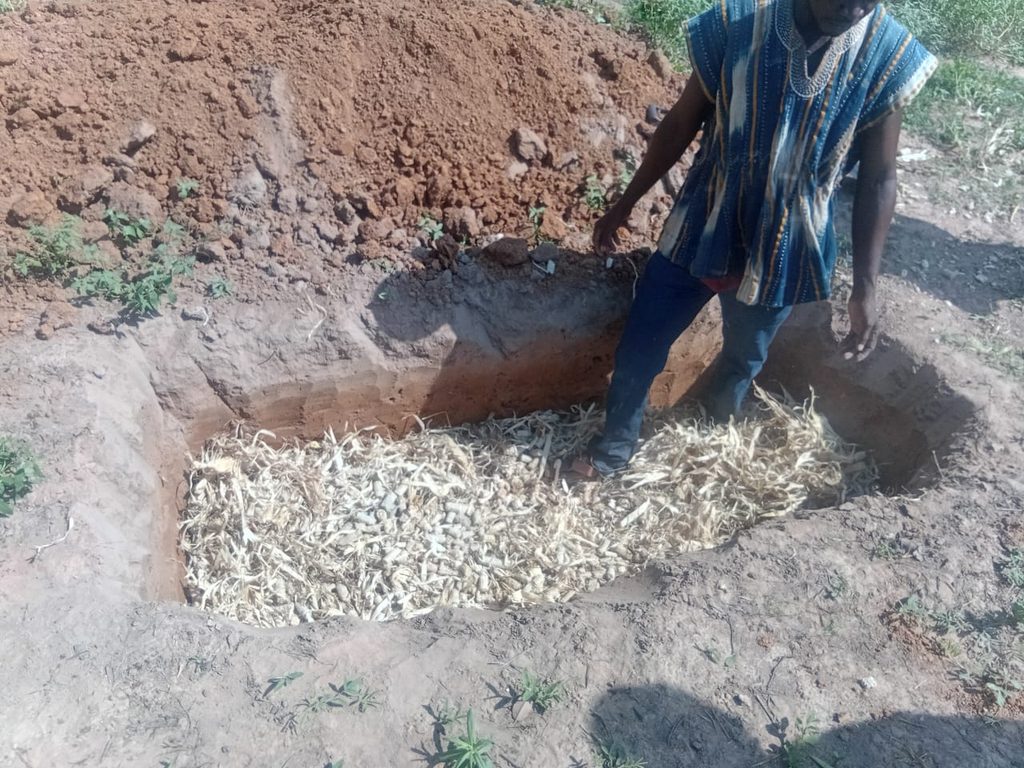
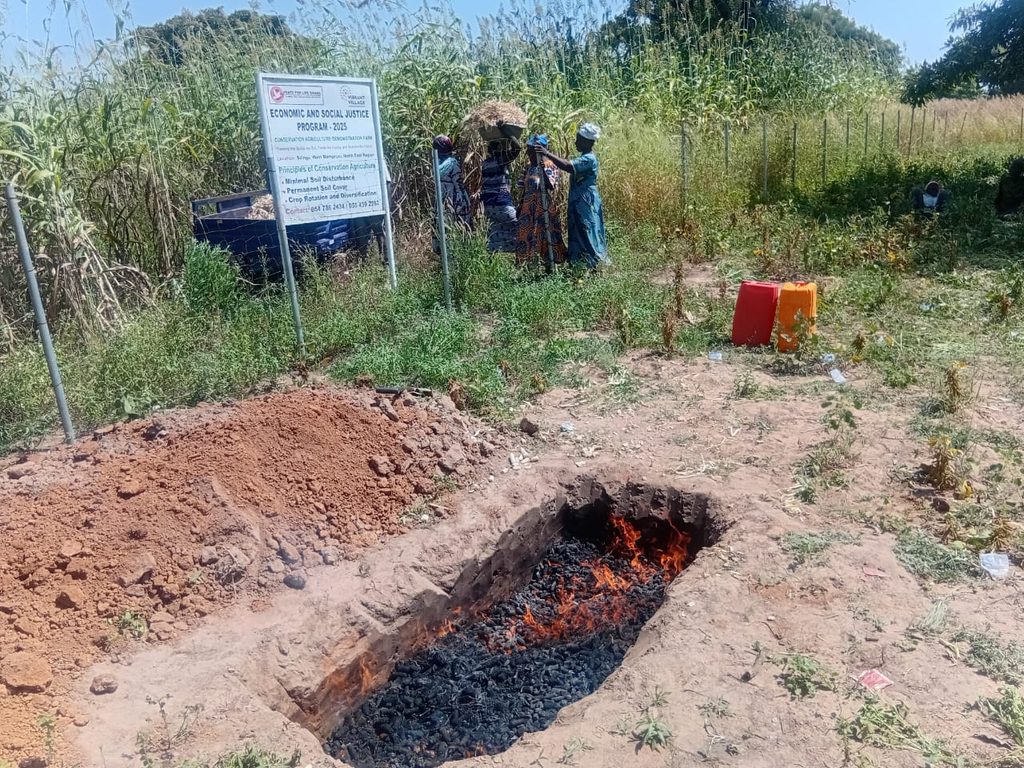
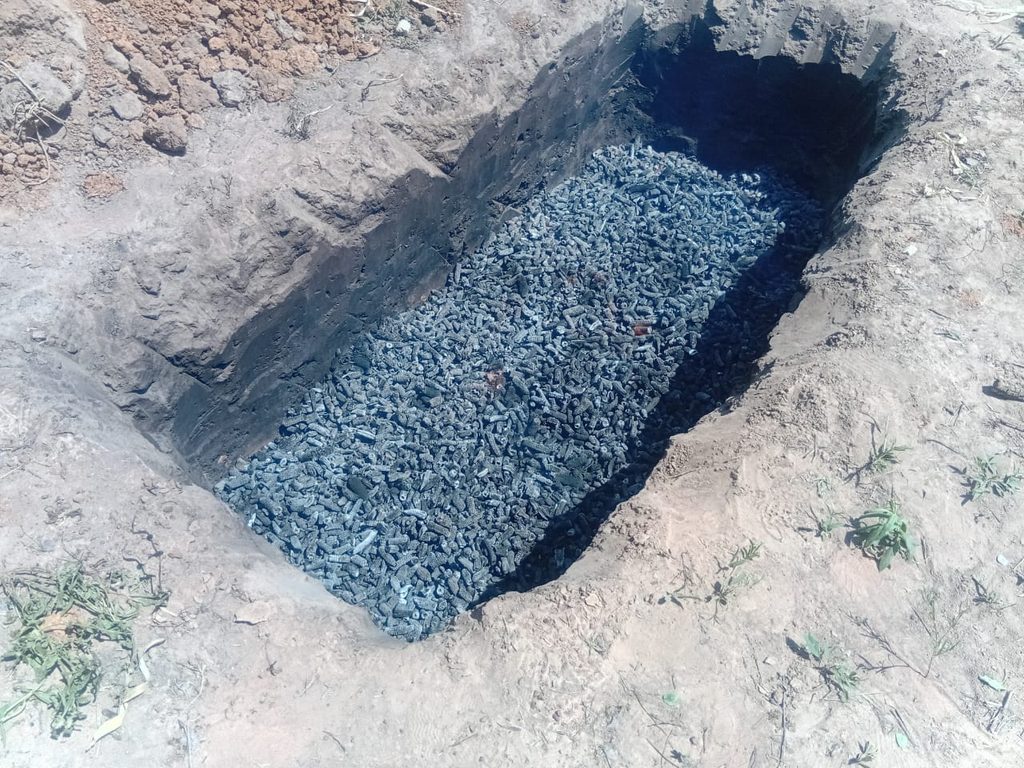
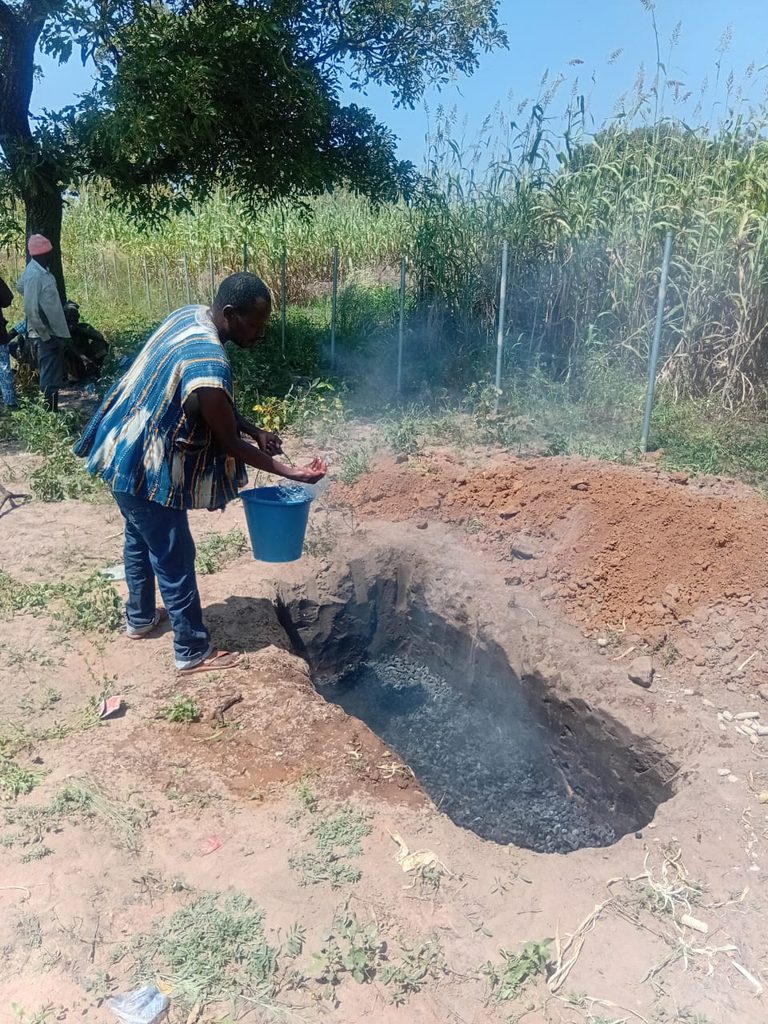
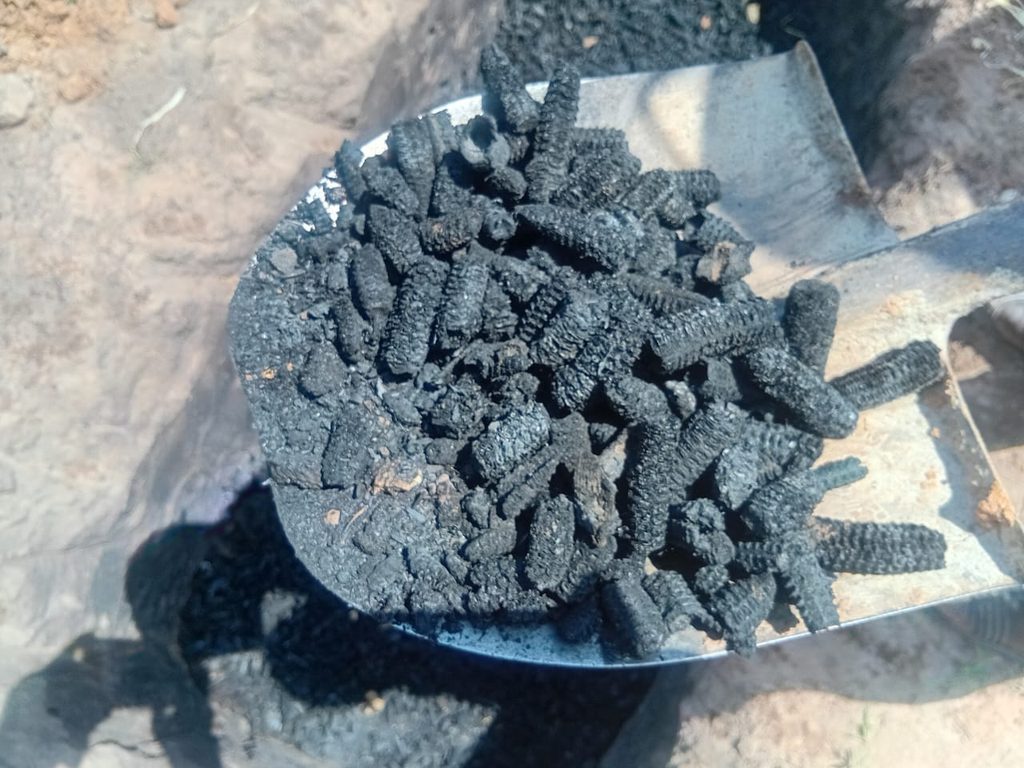
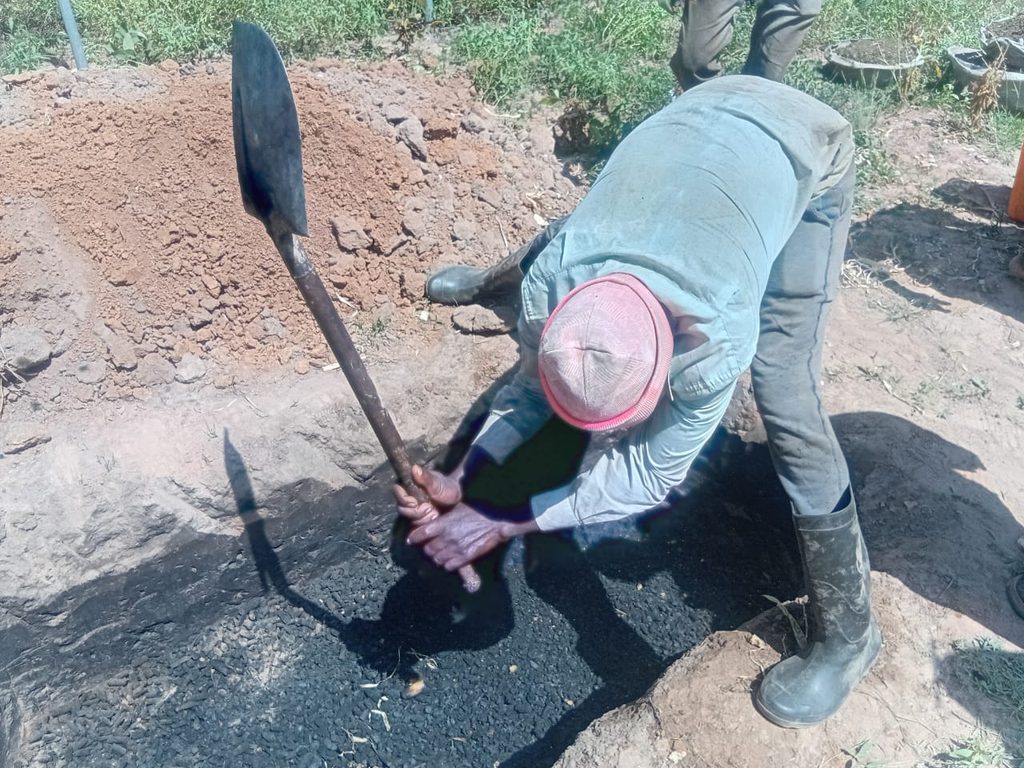
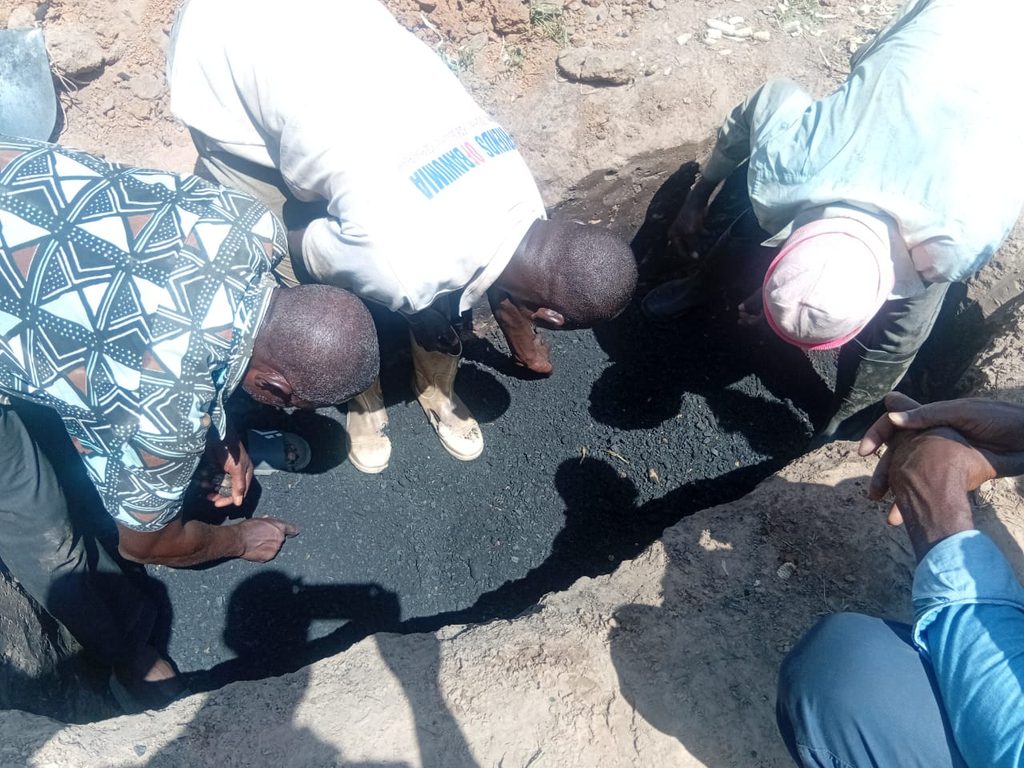
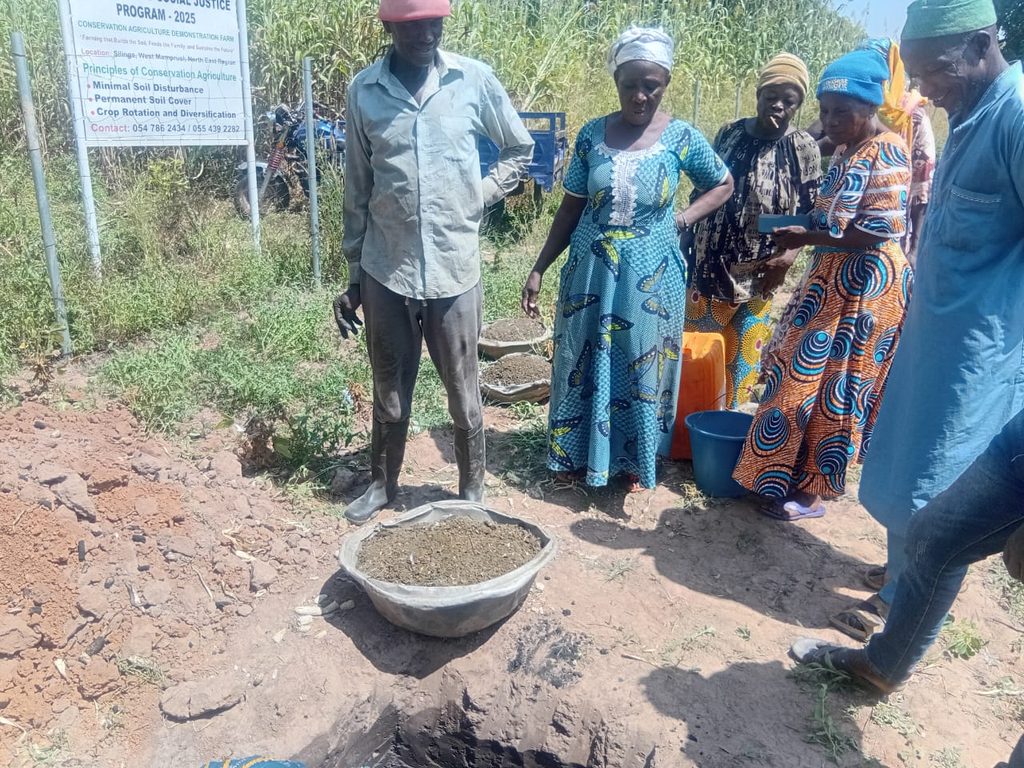
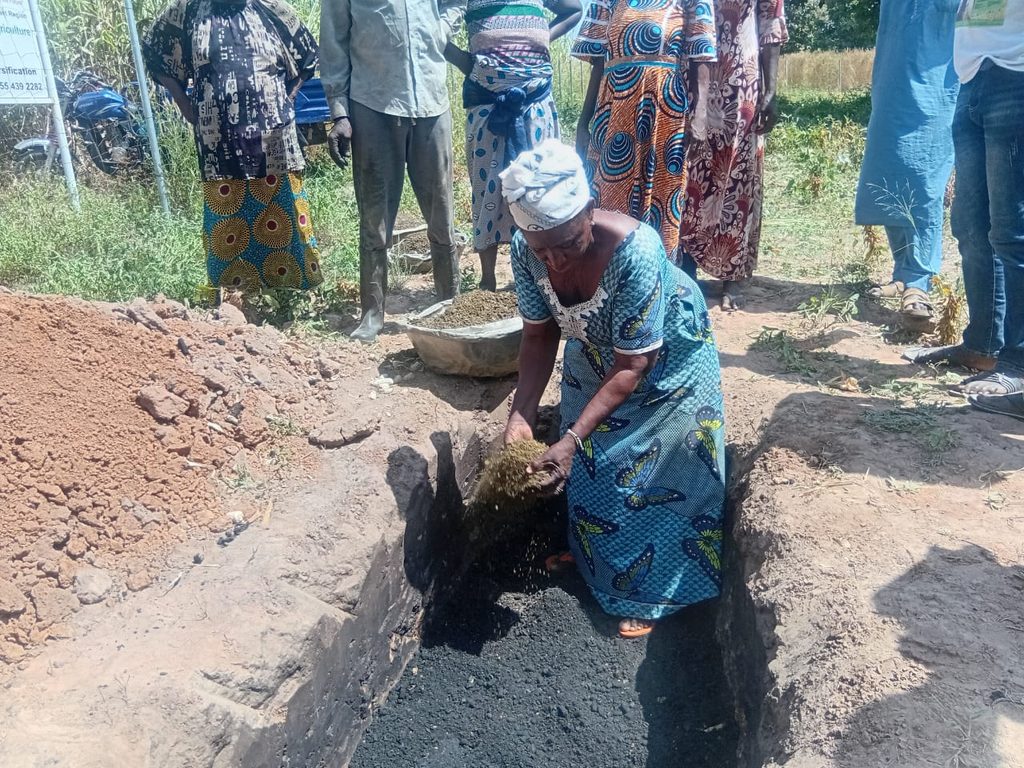
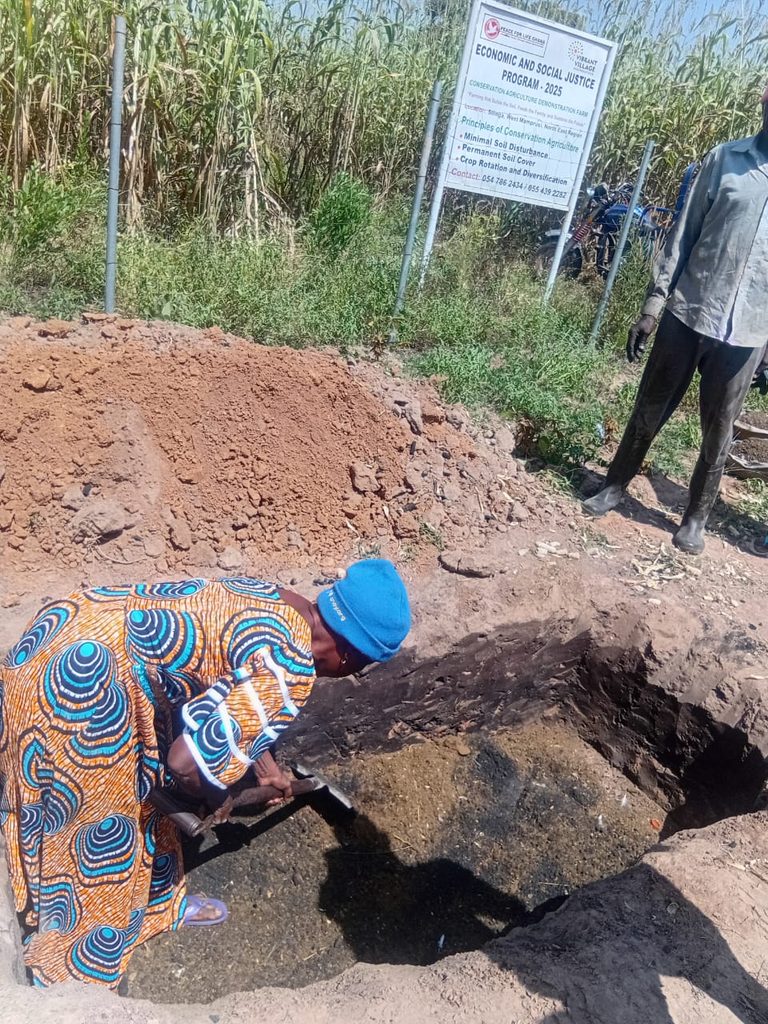
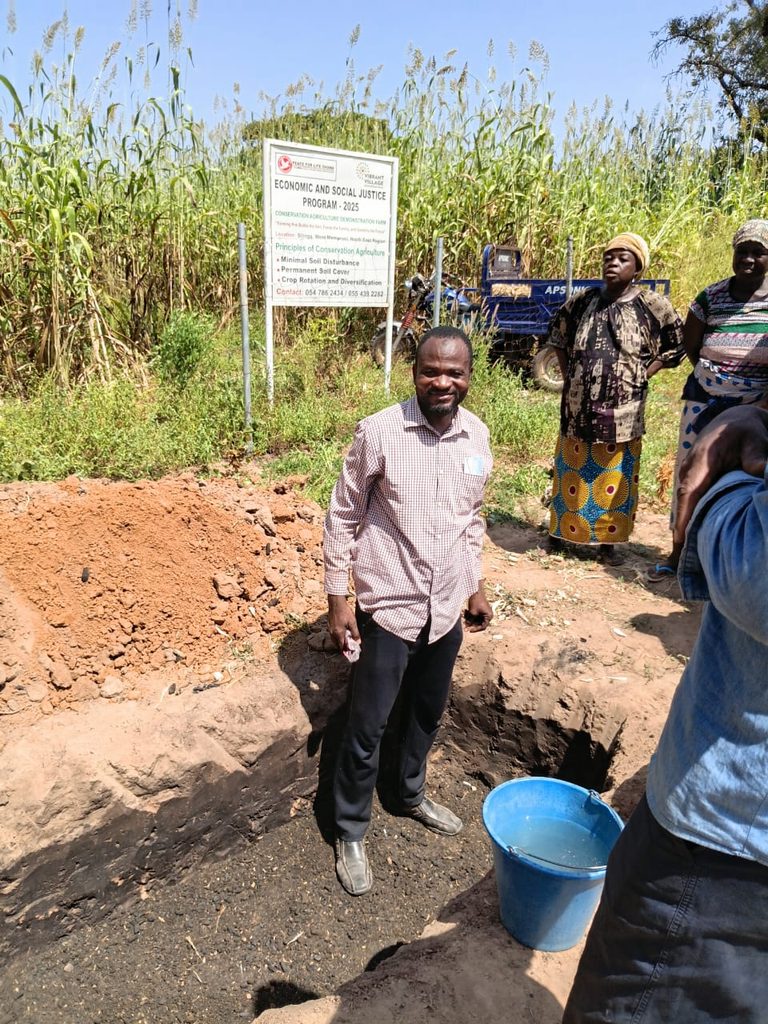
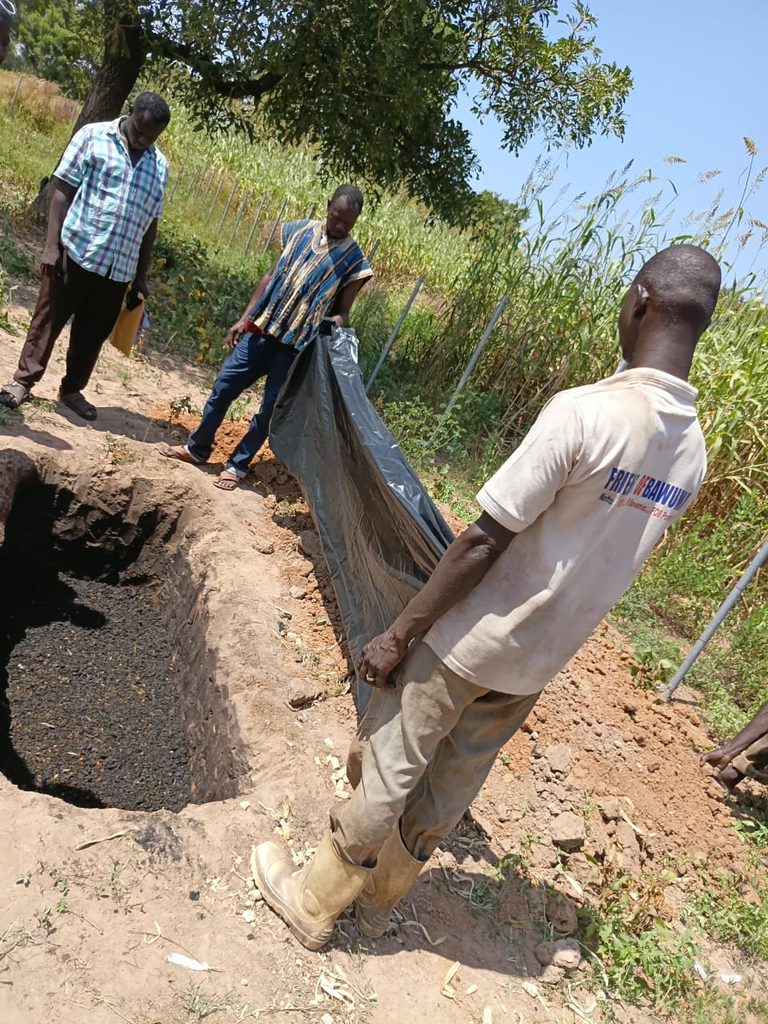
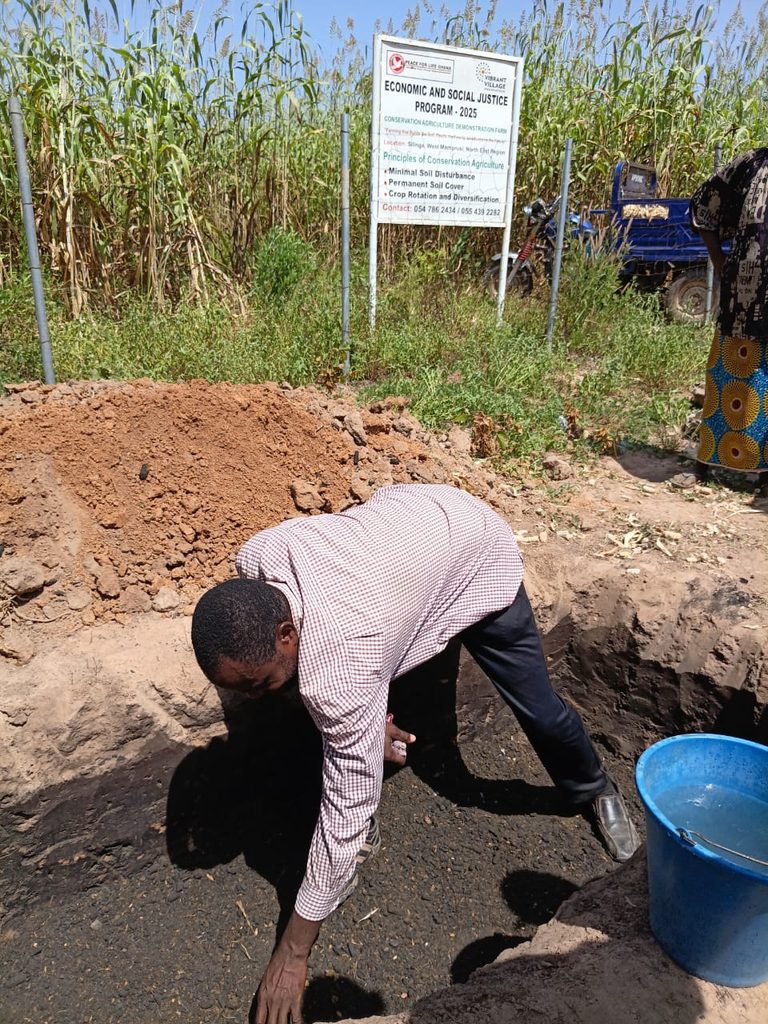
As part of its Climate-Smart Agriculture Programme, the organisation has been training farmers at its demonstration farm in Sinlinga, West Mamprusi Municipal, on how to prepare biochar using maize cobs and leaves. On Monday, 2 November 2026, another group of farmers took part in the hands-on training, gaining practical knowledge of how agricultural residues can be put to productive use to support sustainable farming.
Turning Agricultural Waste into a Valuable Resource
Biochar is a carbon-rich material produced by heating organic materials, such as maize cobs and leaves, under limited oxygen conditions. When properly prepared and applied to suitable soils, biochar can help improve certain soil properties, support moisture retention, and contribute to long-term soil management.Through this training, farmers are learning how to transform locally available agricultural residues into a potentially valuable resource rather than allowing them to go to waste. The initiative also promotes better management of farm by-products and encourages farmers to explore sustainable approaches to maintaining soil fertility.
Learning by Doing at the Demonstration Farm
The demonstration farm at Sinlinga provides a practical learning environment where farmers can observe and participate in climate-smart agricultural practices. By engaging directly in the biochar preparation process, participants gain practical skills that they can apply and share within their own farming communities.
The training forms part of PLG’s broader efforts to strengthen farmers’ knowledge of sustainable agricultural production, improve the management of natural resources, and build resilience to the effects of climate change.
Building Resilient Farming Communities
Climate change continues to pose challenges to farmers, particularly those who depend on rain-fed agriculture. Promoting practical techniques that make productive use of locally available resources is therefore an important step towards more sustainable and resilient farming systems.
Through its Climate-Smart Agriculture Programme, Peace for Life Ghana remains committed to supporting farmers with knowledge and skills that encourage responsible natural resource management, improve agricultural practices, and strengthen rural livelihoods.As more farmers participate in the training, PLG hopes to encourage the wider adoption of appropriate climate-smart practices across its target communities.Through community-based training, demonstration activities, and partnerships, PLG seeks to empower individuals and communities to adopt sustainable practices and build more resilient livelihoods.
Together, we can turn local resources into opportunities for sustainable agriculture and a climate-resilient future.